For Sale by Owner vs. Real Estate Agent: Pros, Cons, and Hidden Costs
October 09, 2026 - Selling
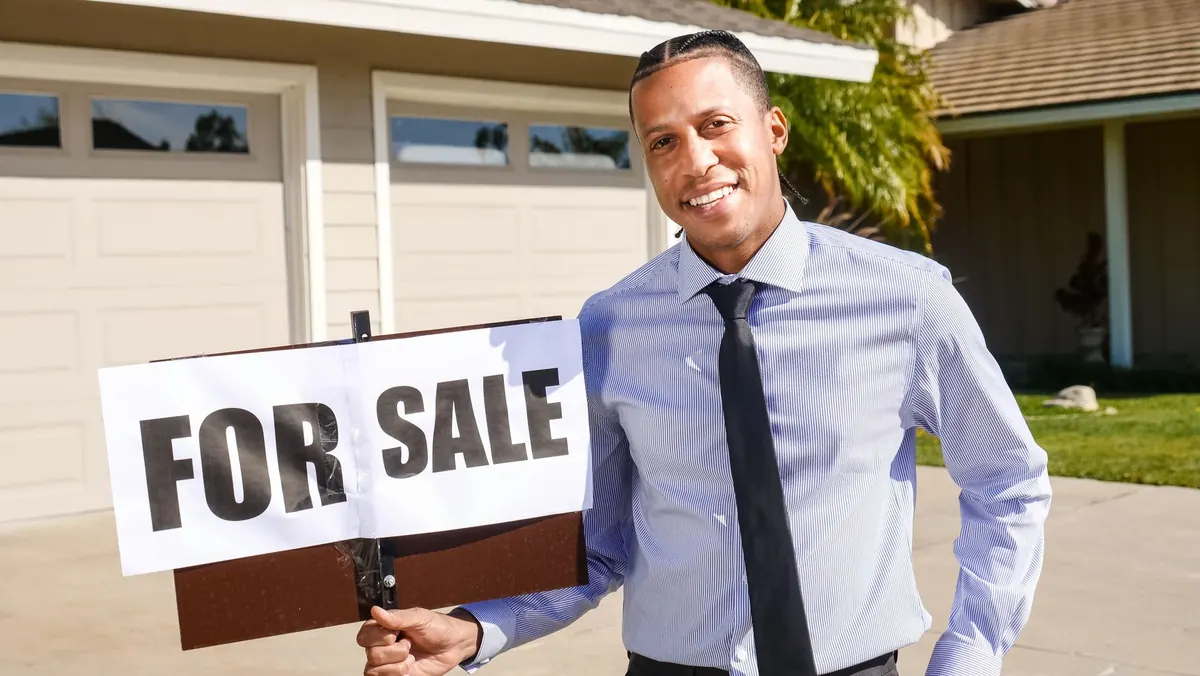
The sign goes up on a Tuesday afternoon. By evening, three neighbors have texted to ask the price. It feels easy, and for a few days it usually is. Then a buyer wants to see the basement at 7 p.m., another asks whether you will pay her agent, and a third wants to know why the tax figure in your listing does not match the county record. That is when the choice between selling on your own and hiring an agent stops being about money.
Sell on your own and you are the listing agent, the marketing department, the showing coordinator, and the negotiator. You set the price, write the description, answer the calls, and sit at the closing table. In exchange, you keep the commission you would have paid.
Hire a listing agent and most of that work moves off your plate: pricing, photography, MLS entry, buyer screening, showings, negotiation, and the deadlines on inspections, appraisals, and financing. You still make the decisions. You just are not the one chasing signatures at 9 p.m.
The right answer comes down to four things: your market, your property, your available time, and your tolerance for conflict.
Sellers who go it alone usually point to the commission, and it is a real number. It is also negotiable, and rates vary by market, by brokerage, and by the services included. The savings are rarely as clean as the math suggests, because several costs appear whether or not you hire someone.
There is also the negotiating gap. A buyer with an agent has someone whose job is to find your soft spots: the roof age, the odd lot line, the fact that you need to close by a certain date. Sellers who negotiate alone sometimes give back more in price and concessions than they saved on commission. Not always, but often enough to plan for.
An agent's biggest practical advantage is not the sign in the yard. It is the pool of buyers already working with agents who scan new listings daily. Once your home is in the MLS, those buyers and their agents see it within hours.
FSBO marketing tends to reach a narrower group: neighbors, people driving past, and shoppers on the big portals. That can be plenty in a neighborhood where homes sell in a week. In a slower market, or with a property that suits a specific buyer, reaching the right person matters more than reaching many.
Selling a home involves disclosure requirements, contract contingencies, and deadlines that vary by state and sometimes by county. Miss a required disclosure and the problem does not surface at closing. It surfaces months later, in a letter from a lawyer.
If you sell alone, get help where it counts. A real estate attorney can review your contract, explain your disclosure obligations, and confirm how earnest money and title work are handled. Ask specifically about property condition disclosures, lead-based paint rules for older homes, HOA documents, easements, and how wire instructions get verified before closing. Wire fraud targeting real estate is common enough that you should confirm payment instructions by phone using a number you already know.
This is general information, not legal advice. Rules differ by state, so check with a local attorney or your state's real estate commission before you list.
An open house is two hours. Preparing for it, following up, and rescheduling the buyer who cancels an hour beforehand is closer to six. The work looks like this:
If your schedule is flexible and you enjoy the process, this is manageable. If you travel, have small children, or are selling from another city, the logistics alone can sink the sale.
You do not have to choose between doing everything and handing over the keys in every sense. Plenty of brokers offer limited-service arrangements: a flat fee to place your home in the MLS with professional photos, contract review only, or negotiation help once offers arrive.
This works best when you are comfortable with showings and marketing, the property is straightforward, and you mainly need exposure and paperwork support. Read the agreement slowly. Some packages exclude exactly the services sellers assume are included, and the terms on cancellation and extra fees are worth a careful look.
Answer these honestly before you commit to either route:
Mostly yes? FSBO is a reasonable bet, especially in a strong market with a simple property. Several no? Interview two or three agents and ask each for a net proceeds estimate: sale price minus commission, fees, and closing costs. Compare that with your own FSBO math. Whichever route you choose, get the pricing right. That decision moves your bottom line far more than the commission you save or pay.
Photo: Kindel Media / Pexels

A practical checklist of the loan fees, title charges, taxes, and prepaid expenses buyers pay at closing, plus how...

Season shapes inventory, competition, and seller motivation in a seller's market. Here's how spring, summer, fall,...
Copyright © 2026 Row Property. All Right Reserved.